

Quick answer
Yes, London has exceptional food. The city holds 72 Michelin-starred restaurants as of 2026, more than any European capital except Paris. Beyond fine dining, London's strength lies in its diversity: authentic Tamil dosas in Tooting, hand-pulled Lanzhou noodles in Chinatown, and Ghanaian jollof rice in Peckham sit alongside historic food markets like Borough and century-old pie-and-mash shops. Free entry to culinary landmarks and markets throughout the week makes exploration accessible.
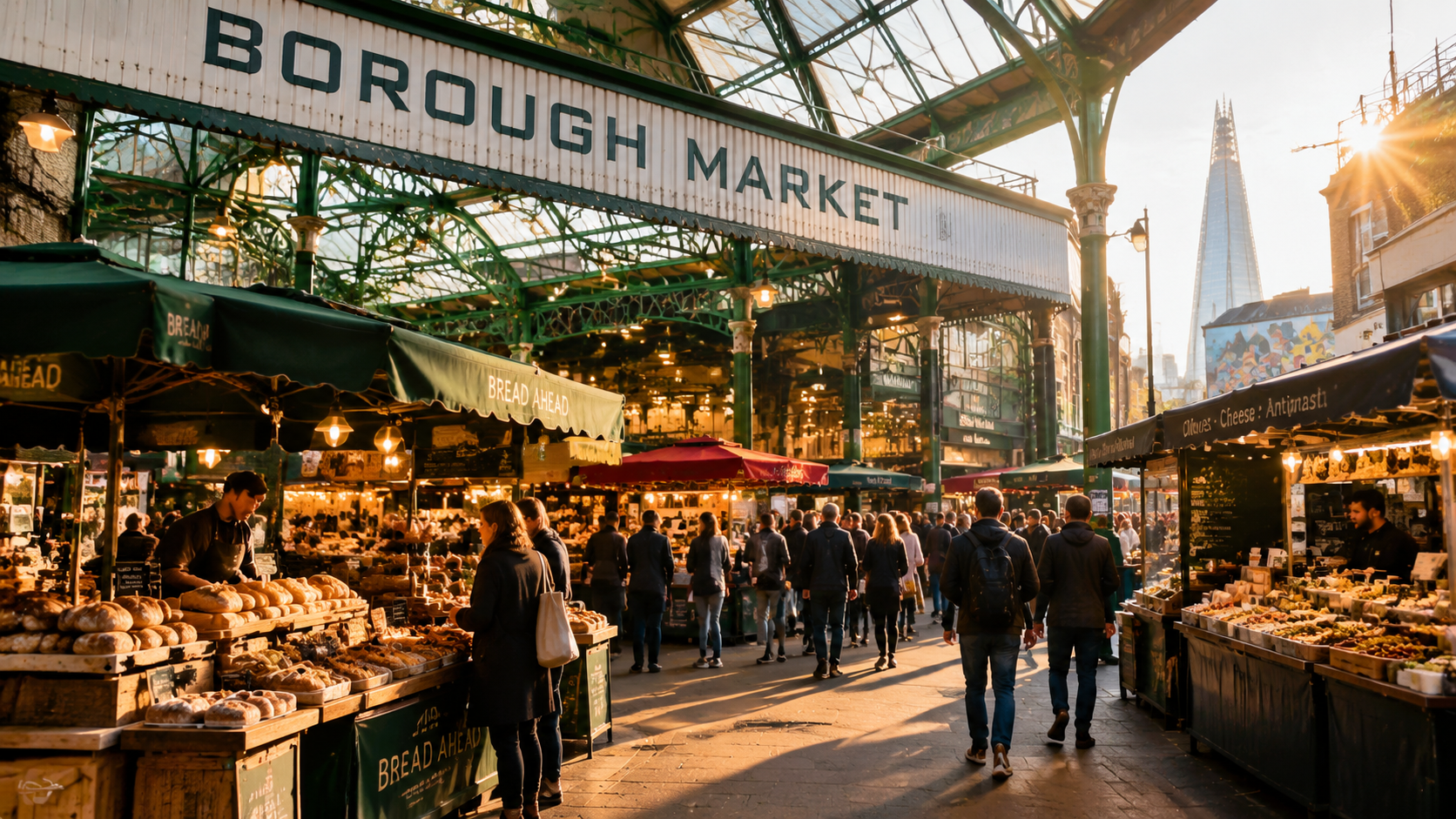
London now operates 17 food markets that have run continuously for over a century, yet the city's culinary credibility is less than 25 years old. The transformation began in the early 2000s when chefs like Fergus Henderson championed nose-to-tail British cooking and immigration patterns brought regional cooking traditions that had never before appeared on European menus. Does London have good food today? The question itself feels outdated to anyone who has traced the capital's restaurant openings over the past decade. The city added 14 new Michelin stars in 2026 alone, but the more significant shift happened at street level. Neighborhoods like Peckham, Dalston, and Walthamstow now anchor food scenes built around small producer markets, natural wine bars, and family-run restaurants serving the recipes of Lagos, Addis Ababa, and Colombo without adaptation for British palates. Borough Market's 100-plus vendors draw 4.5 million visitors annually, yet smaller operations like Maltby Street Market and Netil Market offer comparable quality without the crowds. The city's food reputation rests on immigrant communities who cook their home cuisines at a level of regional specificity rarely seen outside origin countries. Tamil Nadu's Chettinad cooking, distinct from the broader South Indian category, appears on menus across Tooting. Sichuan restaurants in Chinatown import Facing Heaven peppers and ferment their own doubanjiang. Turkish Cypriots in Green Lanes grill ocakbaşı meats over charcoal the way their families did in Morphou. These are not fusion experiments or popularized versions; they are the dishes cooked in Jaffna, Chengdu, and Nicosia, prepared by people who learned them there. London's food culture operates without a unified aesthetic or flagship dish, which is exactly why it works. A visitor can eat Cantonese roast meats in a fluorescent-lit Chinatown café at noon and book a tasting menu at a two-Michelin-star Modern European restaurant that evening. Both experiences reflect the city accurately. The culinary landscape is open every day of the week, with most markets running from early morning through evening and no seasonal closures. The best arrival window falls between 09:00 and 11:00 to avoid peak crowds at major hubs, though smaller neighborhood markets remain manageable throughout the day.
“London now holds more Michelin stars than any European capital outside Paris, yet its real culinary strength lies in the regional specificity of its immigrant-run kitchens.”
Does London Have Good Food? Highlights of the Culinary Scene
London's culinary landscape is defined by its synthesis of historic market culture and a diverse, multicultural dining identity. The city offers a vast array of global flavors, ranging from traditional British staples to contemporary international cuisine.
Borough Market
One of the oldest and largest food markets in London, featuring high-quality local produce and international specialty goods. It serves as a central hub for artisanal food producers and street food vendors.
Visit the traders on the outer edges for quieter options.
Brick Lane
A historic area renowned for its dense concentration of curry houses and iconic bagel shops reflecting the city's immigrant history. It provides an authentic look at the multicultural evolution of East London food.
Walk the full length to compare different regional styles.
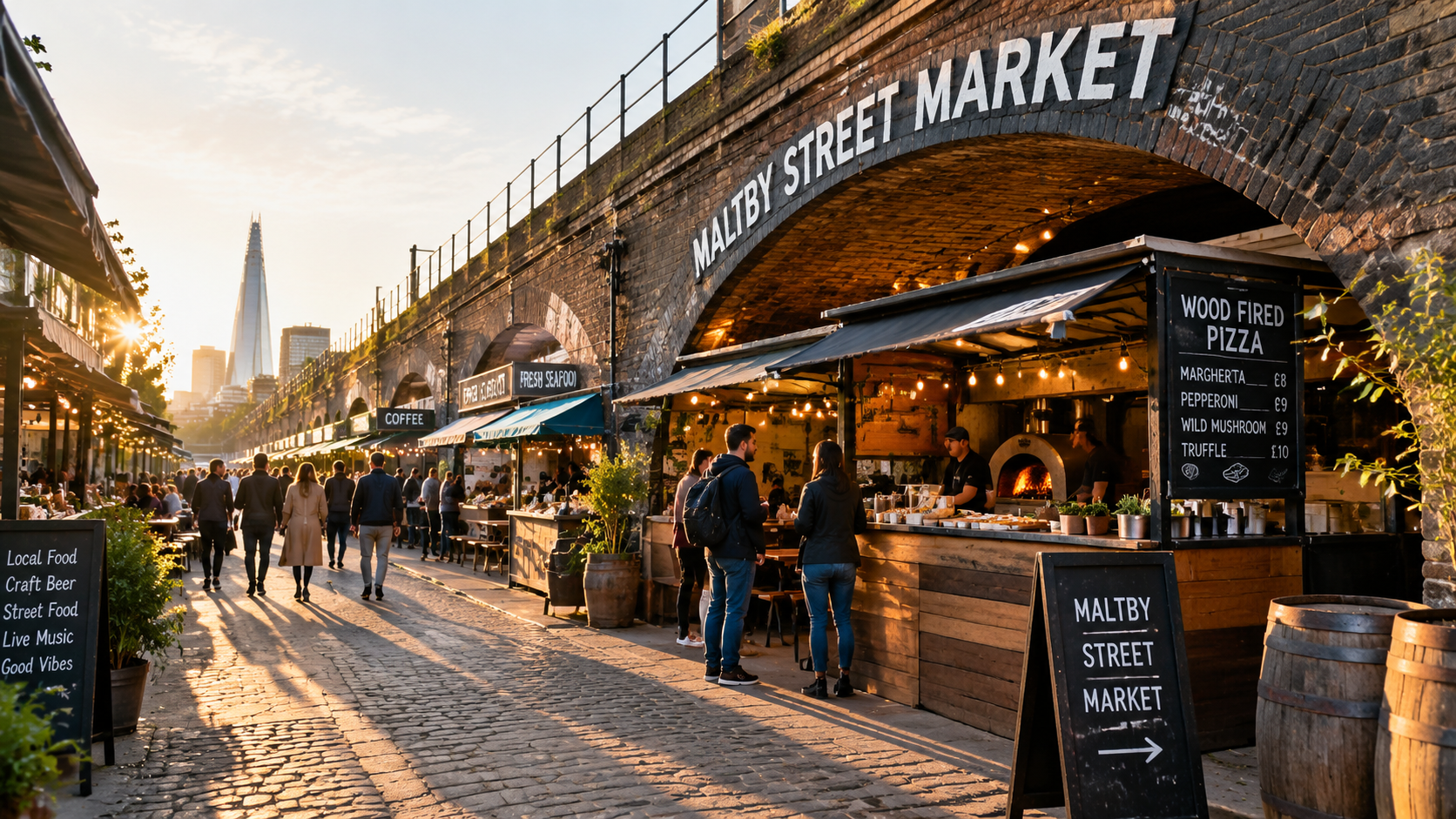
Maltby Street Market
A smaller, specialized market located under railway arches that focuses on independent food and drink producers. It offers a more intimate atmosphere compared to larger city markets.
Look for the specialized cheese and gin vendors.
Brixton Village
An indoor market complex that showcases London's vibrant Caribbean influence alongside diverse global eateries. It represents the neighborhood's long-standing cultural roots and modern gastronomic shifts.
Explore the smaller independent cafes in the arcades.
When Is the Best Time to Visit if London Has Good Food?
To experience London culinary hubs with fewer crowds, the optimal arrival window is 09:00–11:00. Visiting during these hours allows for smoother navigation through popular food markets.
Weekday mornings
Minimal—
Quiet atmosphere at markets allows for easier interaction with food vendors.
April and October
ModerateMild temperatures around 12°C–17°C
These shoulder months offer comfortable conditions for walking between culinary sites without the extreme peak tourist volume.
Weekend afternoons
High—
Expect significant congestion and longer wait times at major food destinations during these periods.
Verdict: The best time to visit is Tuesday to Thursday, arriving between 09:00–11:00 during the months of April or October.
What Are the Opening Hours for Where London Has Good Food?
London maintains consistent access to its public culinary spaces throughout the week. The city's food markets and public culinary areas remain open daily to accommodate visitors.
| monday | 00:00–23:59 | |
|---|---|---|
| tuesday | 00:00–23:59 | |
| wednesday | 00:00–23:59 | |
| thursday | 00:00–23:59 | |
| friday | 00:00–23:59 | |
| saturday | 00:00–23:59 | |
| sunday | 00:00–23:59 |
Is It Free to Experience Where London Has Good Food?
Accessing the city of London and its diverse open-air culinary markets does not require an entrance fee. Exploring these public spaces is free of charge.
A typical adult pays 0 GBP for entry, as costs are only incurred when purchasing individual food items from vendors.
Where Can You Find Where London Has Good Food?
London hosts a diverse food landscape ranging from historic markets to global culinary hubs. Visitors can experience local produce and international cuisine by exploring established markets or seeking out neighborhood dining rooms.
Borough Market
€€market
Located near London Bridge, this historic hub features artisanal traders and local food producers.
Brick Lane
€street
Situated in the East End, this area is widely recognized for its high density of curry houses and bagel shops.
Mercato Mayfair
€€€restaurant
Housed in a former church in Mayfair, this venue offers diverse sustainable food stalls in a preserved architectural space.
Maltby Street Market
€€market
Tucked under railway arches in Bermondsey, this smaller market focuses on specialized food and drink vendors.
How to Navigate When Exploring If London Has Good Food
London is well-connected by an extensive public transit network, making it straightforward to reach major culinary hubs. The London Underground and local bus services provide the most efficient access to food markets across the city.
Jubilee Line to London Bridge Station for Borough Market
Route 344 to Borough High Street
Thameslink to London Bridge Station
Check availability
Frequently Asked Questions About London Dining
Everything you need to know about does london have good food